After 20 years of community action, advocacy and care, the story of the Flynn school precinct has become a story of a place saved, renewed and now thriving as a hub for the wider ACT community.
What began as a local campaign to keep “our” school and grounds in community hands grew into a long journey of submissions, meetings, heritage work, partnerships and practical problem‑solving. Over time, the tone of our efforts naturally shifted – sometimes urgent and political, sometimes technical and detailed, sometimes quietly hopeful – but the goal remained constant: to retain this place as a living centre for learning, connection and care.
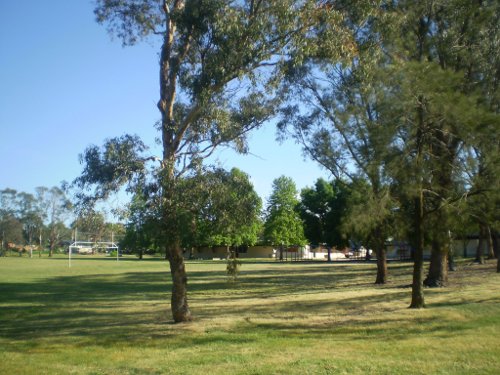
Today, the site is a lively hub used every day. It is home to a small school, a childcare centre, a catchment and environmental group, tutoring and learning support services, physical therapy and health services, and other community‑focused activities. The hall and other spaces are regularly hired for meetings, classes and celebrations. While the configuration of services has changed over the years, the underlying idea has not: this is a place where people come together.
Many of the current occupants recognise that the community’s persistence helped to make this possible. The years of local effort ensured that the buildings and grounds were not lost, and that their value as a place for education and community life was properly recognised. The result is a centre that continues to evolve while remaining true to its origins as a public asset serving the common good.
The story recorded on this site captures that journey – from early worries about losing the school, to heritage assessments and planning debates, to the gradual emergence of a diverse, well‑used community hub. Over the decades, residents, families, professionals and supporters from across Canberra all played a part: writing letters, attending meetings, joining working bees, advising on planning, sharing expertise or simply turning up when it mattered.
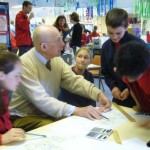
As the years pass, the digital record of this work will be preserved in public archives such as Trove and other web collections, so that future readers can see how a small suburb worked, patiently and persistently, to shape the future of a much‑loved place. The photos of the site in use today – children learning, families dropping off and picking up, people accessing services, groups meeting in the hall – are the most fitting continuation of that story.
In the end, the journey has been about more than buildings. It has been about a community deciding that its school and centre were worth fighting for, and then walking that path over many years until the vision of a vibrant, shared hub became everyday reality. The site now speaks for itself in the daily life it hosts – a living community place, carried forward by the people who use it and care for it.